
Early-warning strength results in hours, not weeks — so problems are caught before more concrete is poured.
Overview
Standard compressive strength testing takes 28 days to deliver a final answer. On a fast-moving site, that is often too slow to be useful as a quality check — by the time a 28-day result comes back, dozens more loads may already be poured.
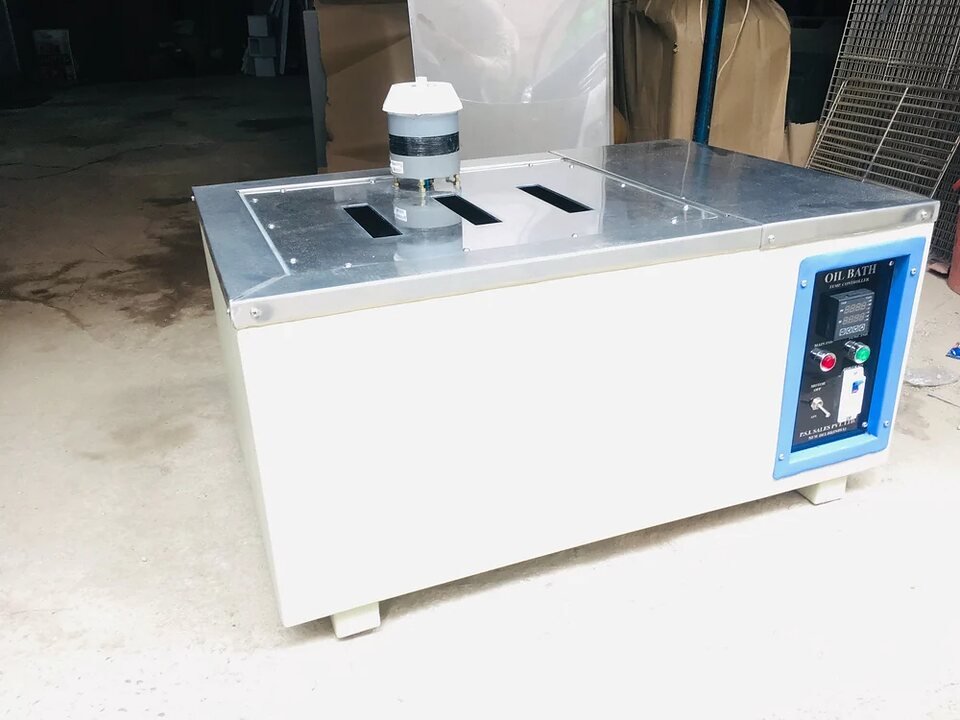
Our Accelerated Curing Tank (ACT) solves this by curing a parallel set of cubes at a controlled elevated temperature, following IS 9013, so a strength result that correlates to 28-day performance is available within 24–48 hours instead of four weeks. It doesn't replace the standard 28-day test — it works alongside it as an early-warning signal.
Why it matters
Accelerated curing turns quality control from a rear-view mirror into an early-warning system. A batching error, a wrong admixture dose, or an aggregate moisture swing shows up in an accelerated result within a day or two — while the next day's production can still be corrected — rather than four weeks later when far more concrete has already gone into the structure.
This matters most on fast-track projects, where pour schedules can't wait a month for confidence in the mix, and on any project where an engineer wants independent reassurance on a new or revised mix design before committing to large-scale pours.
IS 9013:1978
Making, curing and testing accelerated-cured concrete specimens
IS 516
Methods of test for strength of concrete
IS 456
Governing 28-day acceptance criteria
This test is carried out under Kondody Concrete's BIS-recognised quality system for Ready-Mixed Concrete (IS 4926:2003), supported by IS/ISO 9001:2015 Quality Management System certification.
Our process
1
A duplicate set of cubes is cast from the same sample used for standard cubes (see our Cube Casting page), so the comparison is apples-to-apples.
2
Cubes are immersed in the ACT at a controlled elevated temperature for a fixed duration specified under IS 9013, instead of the standard 27±2°C water tank.
3
Accelerated cubes are crushed in our Compressive Test Machine (CTM) at the end of the accelerated-curing cycle.
4
The accelerated result is converted to a predicted 28-day strength using a correlation factor established for that specific mix design, built up from our own plant's historical data.
5
A predicted strength figure is issued to your site/engineering team well ahead of the standard 28-day result, flagged clearly as an accelerated/predictive result.
How soon can I get results?
Typically within 24–48 hours of casting, depending on the accelerated-curing cycle used — well ahead of the standard 28-day timeline.
How reliable is an accelerated result compared to the 28-day figure?
It's a predictive correlation, not a replacement — reliable as an early indicator once correlated against our plant's own mix history, but the 28-day standard test remains the formal record of record.
Does this cost extra?
It's an additional test alongside standard cube testing — let us know your project's needs and we'll quote accordingly.
QA & QC
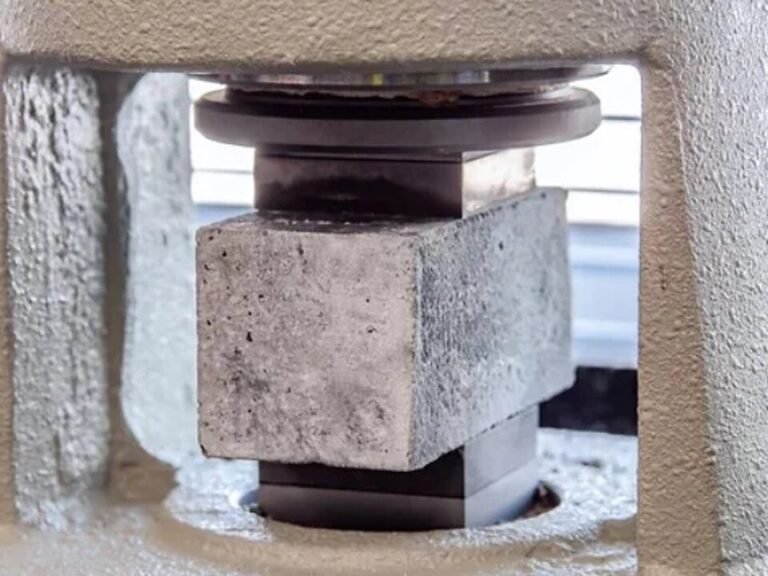
The core structural check: every batch cube-crushed to confirm it meets its design grade.
Learn more →
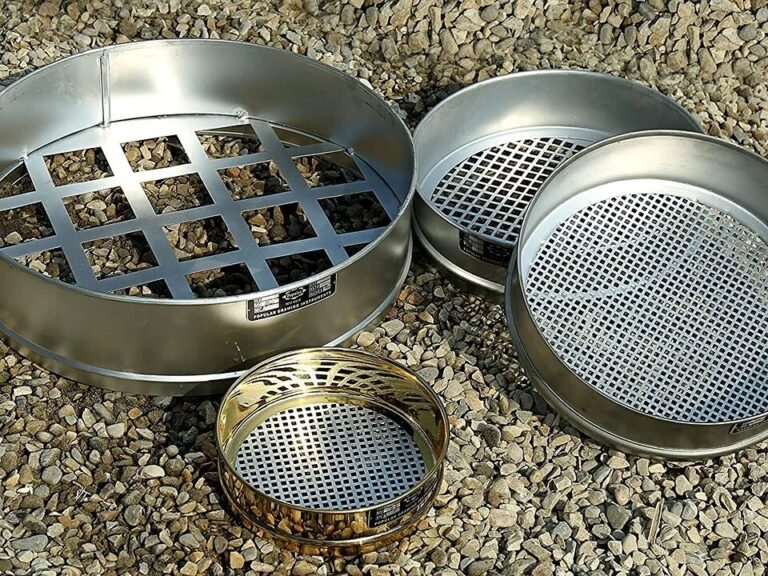
Checking aggregate grading so every mix is workable, strong and durable.
Learn more →
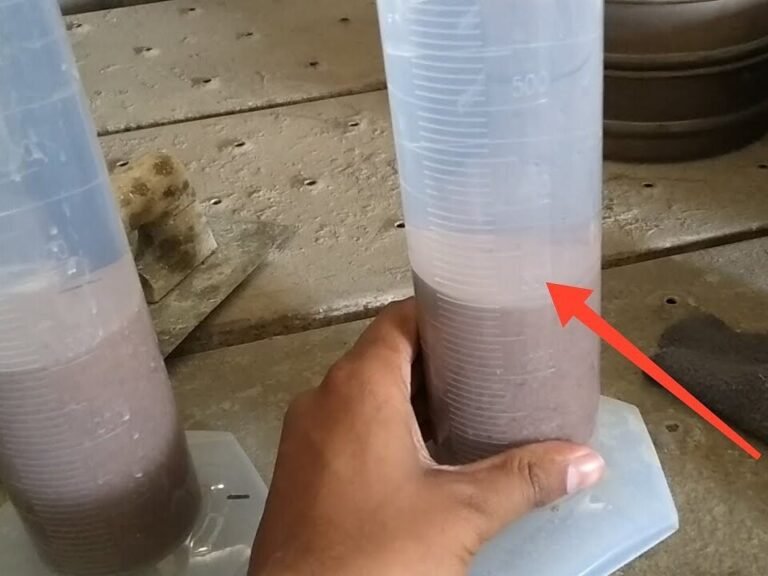
Screening sand for excess fines that weaken bond strength and durability.
Learn more →
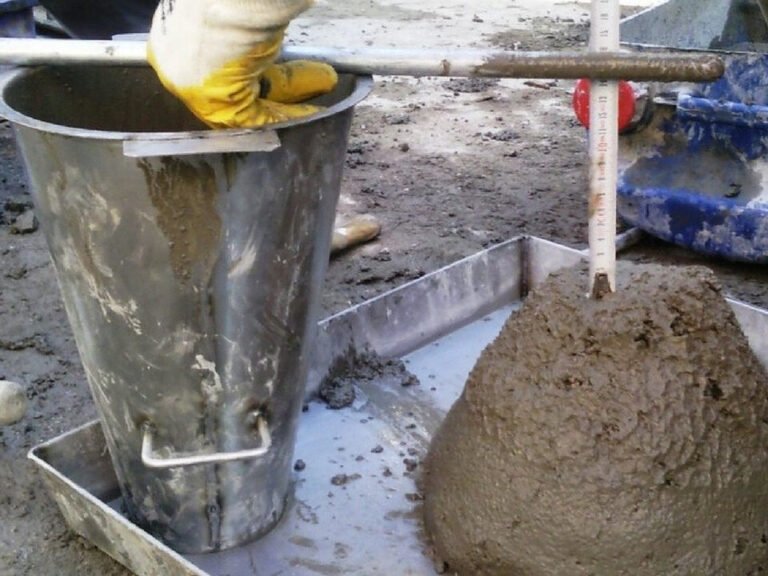
Checking workability on every load, from plant discharge to site pour.
Learn more →
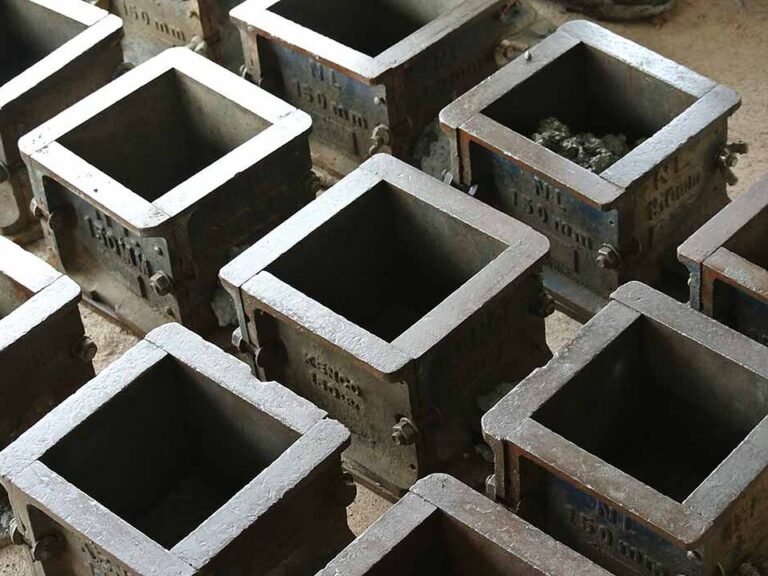
The specimen-preparation step every strength result depends on.
Learn more →
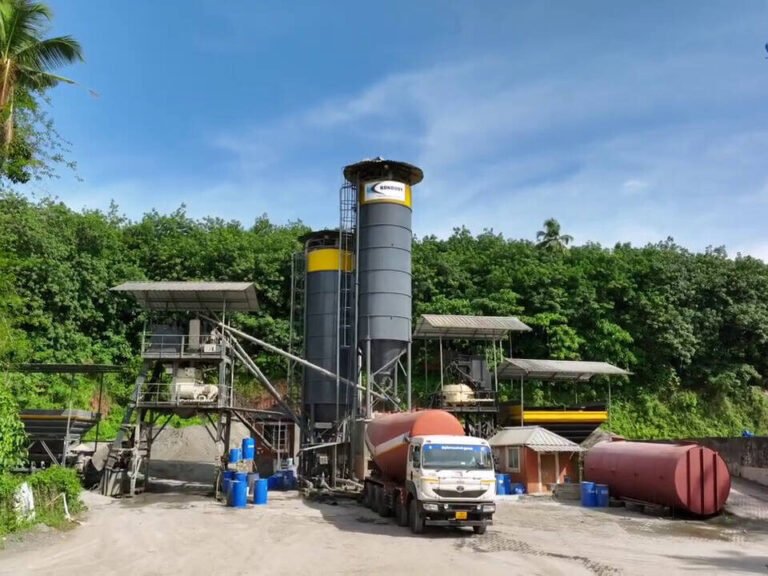
Back to our full quality assurance and quality control process.
Learn more →
Ask us to run accelerated curing alongside your standard cubes for early-warning results on your next pour.
Request
Fill in the details below and our quality control team will get back to you, usually within one working day.
Prefer to talk? Call +91 92077 44901 or message us on WhatsApp.