
The specimen-preparation step every strength result depends on.
Overview
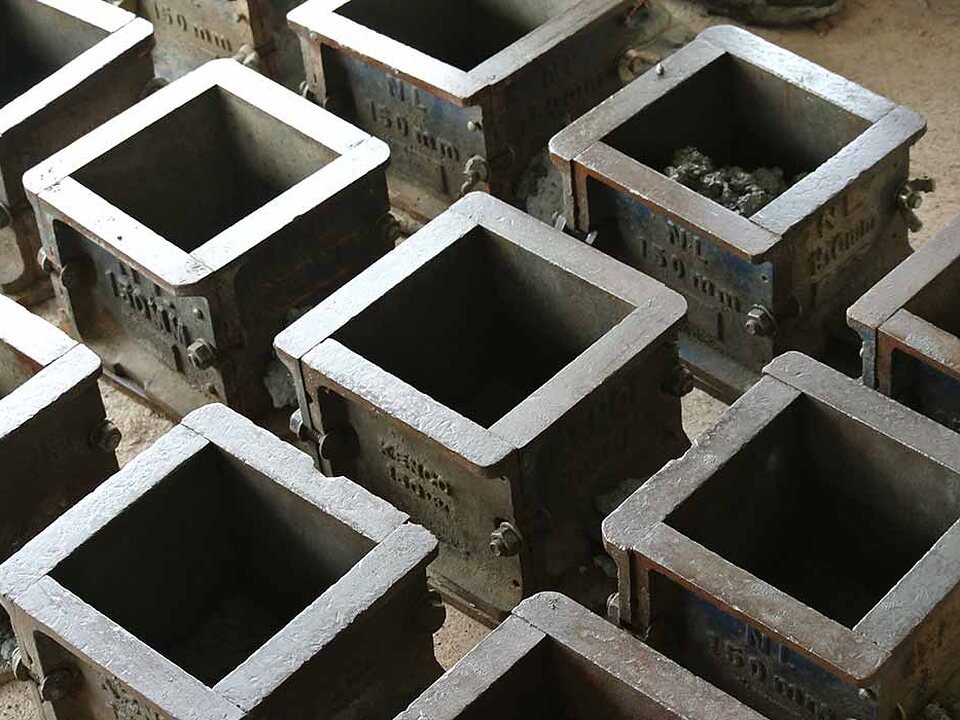
Every compressive strength figure we report — standard 7/14/28-day results or accelerated results — starts with the same step: casting a 150 mm cube specimen from a representative sample of fresh concrete.
This sounds simple, but it's the most result-sensitive step in the whole QC chain. Poor compaction, an under-filled corner, or inconsistent curing at this stage will distort or invalidate every result that follows — no amount of care at the testing stage can fix a badly cast cube. Kondody's lab technicians follow a standard, repeatable casting protocol on every sample, from every batch, at every site.
Why it matters
Cube casting is the link between what actually happened in the mixer and what the test report says happened. A consistent casting procedure means results across different technicians, different days and different sites can be trusted and compared on equal terms.
This is also where Kondody's own quality system is most visible on a day-to-day basis: the same mould preparation, sampling and compaction steps are followed whether the sample is for a routine 28-day record or a fast-track accelerated check.
IS 516
Compaction and specimen preparation
IS 1199
Sampling of fresh concrete
IS 10086
Moulds for tests of cement and concrete
This test is carried out under Kondody Concrete's BIS-recognised quality system for Ready-Mixed Concrete (IS 4926:2003), supported by IS/ISO 9001:2015 Quality Management System certification.
Our process
1
150 mm steel cube moulds, conforming to IS 10086, are cleaned, checked for dimensional accuracy, and lightly oiled before assembly.
2
Fresh concrete is sampled at the point of placement, following IS 1199, so the specimen reflects the concrete actually going into the structure.
3
The mould is filled in three equal layers, each compacted with 35 strokes of a standard tamping rod (or on a vibration table for lower-slump mixes), per IS 516.
4
The top surface is struck off level and the cube is clearly marked with date, grade and batch identification before it leaves the casting area.
5
Cubes are left undisturbed for 24 hours, demoulded, and transferred to a water curing tank (or to our Accelerated Curing Tank, where early results are needed) until their test date.
6
At the required age, cubes are transported to our Compression Testing Machine (CTM) for crushing and reporting.
How many cubes are cast per batch?
This depends on the project's testing schedule and IS 456 sampling frequency requirements — typically a set for each required test age (e.g. 7, 14 and 28 days), sometimes with duplicates retained for verification.
Can your team cast cubes on-site rather than at the plant?
Yes — our QC technicians can sample and cast on-site at the point of discharge, which is in fact the standard and recommended practice under IS 1199.
QA & QC
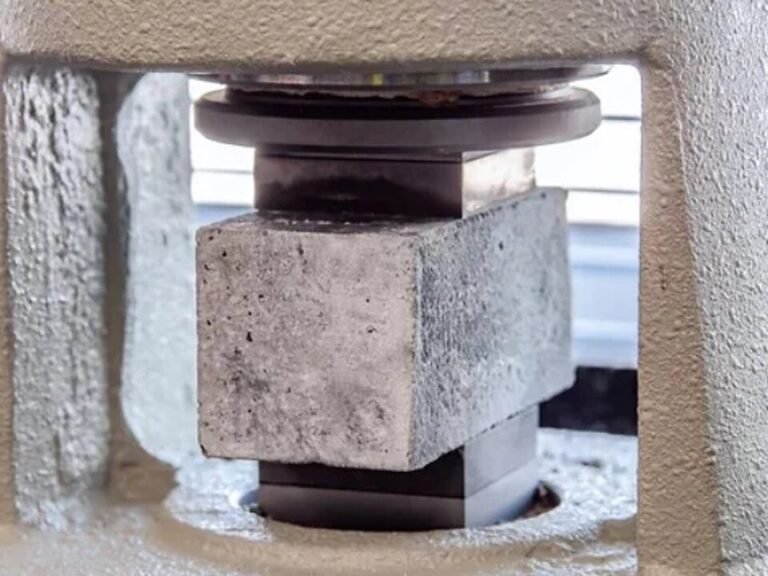
The core structural check: every batch cube-crushed to confirm it meets its design grade.
Learn more →
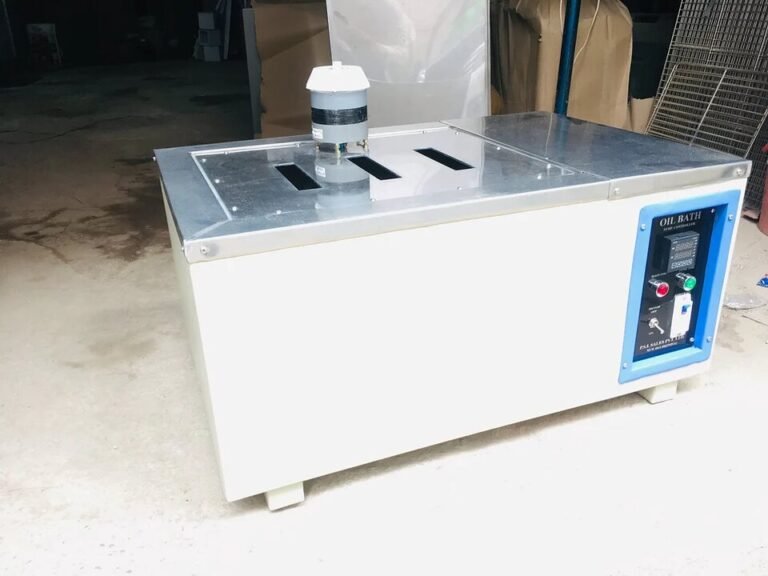
Early-warning strength results within 24 to 48 hours, ideal for fast-track pours.
Learn more →
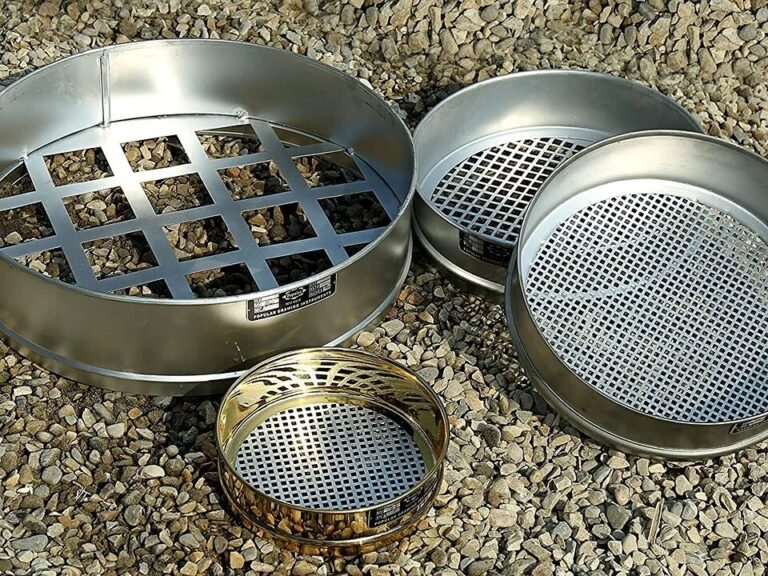
Checking aggregate grading so every mix is workable, strong and durable.
Learn more →
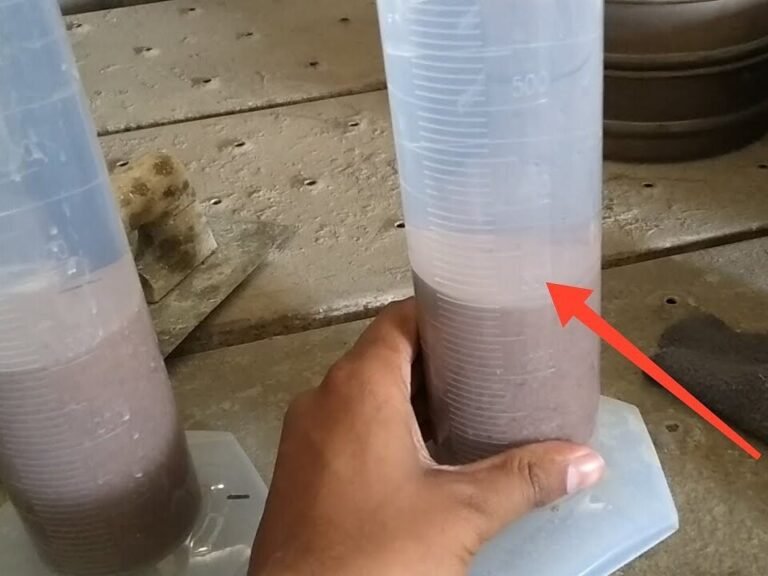
Screening sand for excess fines that weaken bond strength and durability.
Learn more →
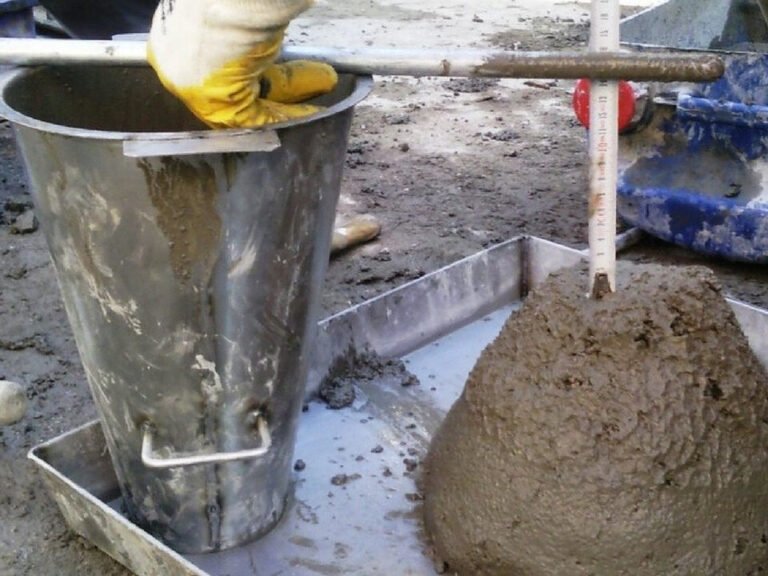
Checking workability on every load, from plant discharge to site pour.
Learn more →
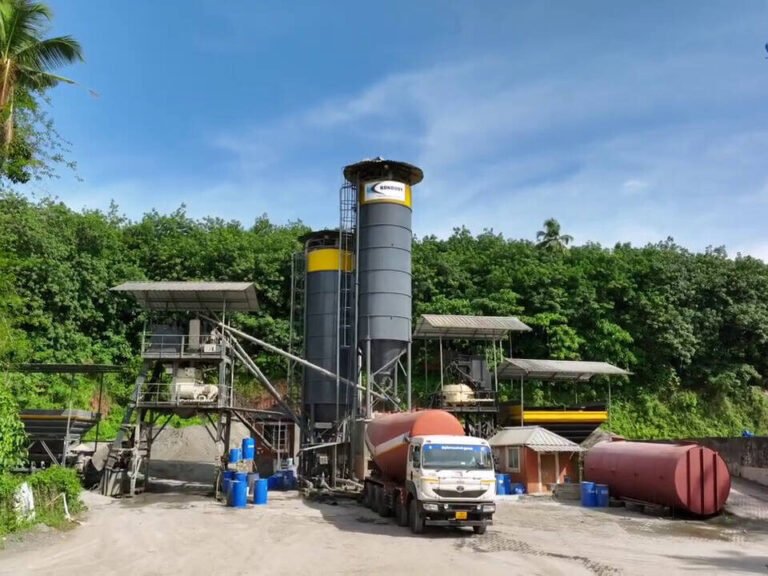
Back to our full quality assurance and quality control process.
Learn more →
We're happy to walk your site engineer or consultant through our casting and sampling procedure, on request.
Request
Fill in the details below and our quality control team will get back to you, usually within one working day.
Prefer to talk? Call +91 92077 44901 or message us on WhatsApp.