
Checking aggregate grading so every mix is workable, strong and durable — before it ever reaches the batching plant.
Overview
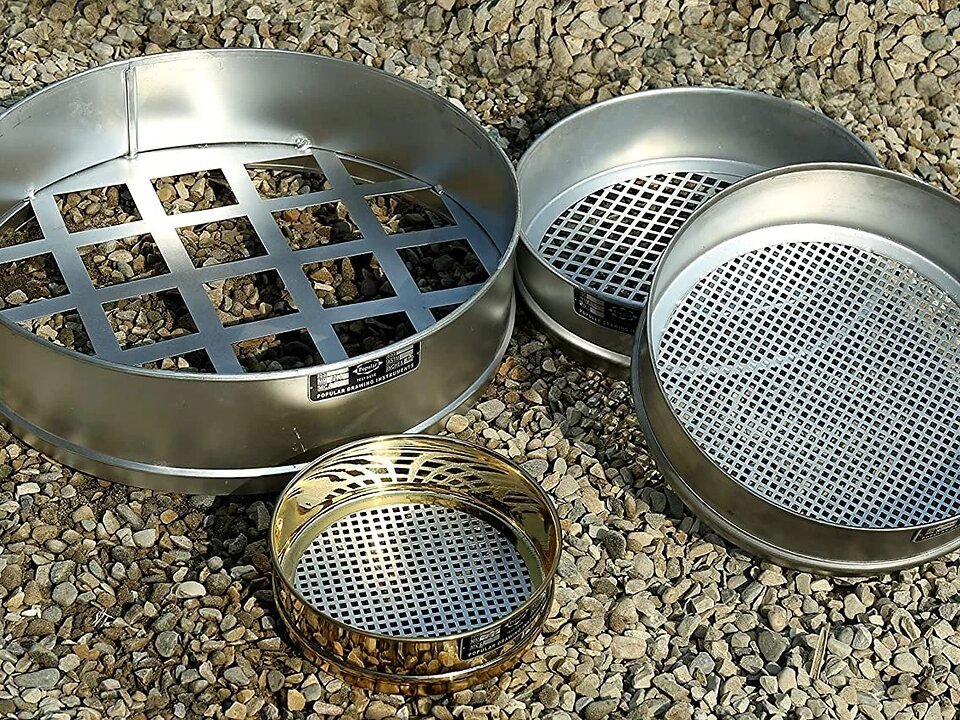
Concrete is only as good as the aggregate inside it. Sieve analysis measures the particle-size distribution of coarse and fine aggregate — how much material is retained on each sieve in a graduated stack, from 40 mm/20 mm coarse sizes down to 150-micron fines — and plots it as a grading curve.
A well-graded aggregate packs efficiently, needs less cement paste to fill voids, and produces concrete that is both workable to place and durable once set. A poorly graded aggregate does the opposite: more voids, more water demand, higher shrinkage risk, and a rougher finish.
Why it matters
Gradation outside the permitted limits is one of the most common, and most preventable, causes of poor concrete — segregation during placing, honeycombing in formwork, excess bleeding, and higher cement consumption than the mix design intended.
Kondody tests every incoming aggregate consignment against IS 383 grading zones before it is approved for use at the batching plant, so the material going into your mix design is the material the mix design was actually calculated for.
IS 2386 (Part 1)
Tests for aggregates: particle size and shape
IS 383
Coarse and fine aggregate for concrete: grading zones
IS 460
Test sieve sizes
This test is carried out under Kondody Concrete's BIS-recognised quality system for Ready-Mixed Concrete (IS 4926:2003), supported by IS/ISO 9001:2015 Quality Management System certification.
Our process
1
A representative sample is drawn from the stockpile or incoming load following IS 2430 sampling procedure.
2
The sample is oven-dried to remove surface moisture that would otherwise distort particle weights.
3
The dried sample is passed through a nested stack of standard sieves (sized per IS 460) on a mechanical shaker, from the coarsest sieve down to the finest.
4
The weight retained on each sieve is recorded, and cumulative percentage passing is calculated for every sieve size.
5
The resulting grading curve and fineness modulus are plotted and compared against IS 383 zone limits (Zones I–IV for fine aggregate; standard gradings for coarse aggregate) to approve or reject the consignment.
What does 'well-graded' aggregate actually mean?
It means the mix of particle sizes fills voids efficiently with minimal gaps, so less cement paste is needed to bind everything together — giving a denser, more workable, more durable concrete.
Do you test aggregate from every supplier load, or just occasionally?
Every incoming consignment is checked before it's approved for use at the batching plant — gradation isn't something we spot-check, it's a standing gate on every load.
QA & QC
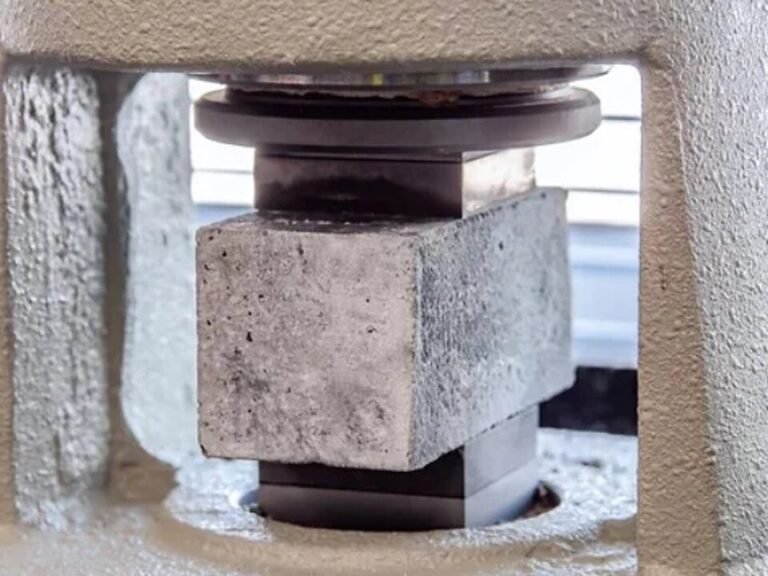
The core structural check: every batch cube-crushed to confirm it meets its design grade.
Learn more →
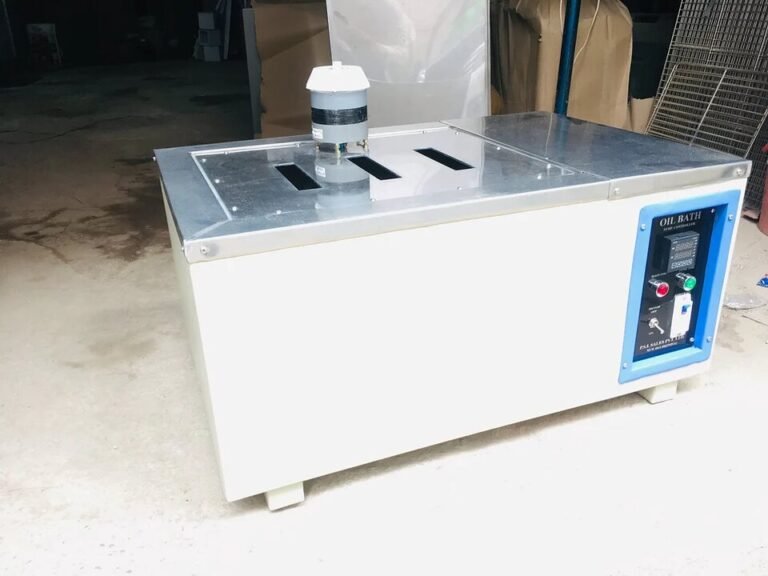
Early-warning strength results within 24 to 48 hours, ideal for fast-track pours.
Learn more →
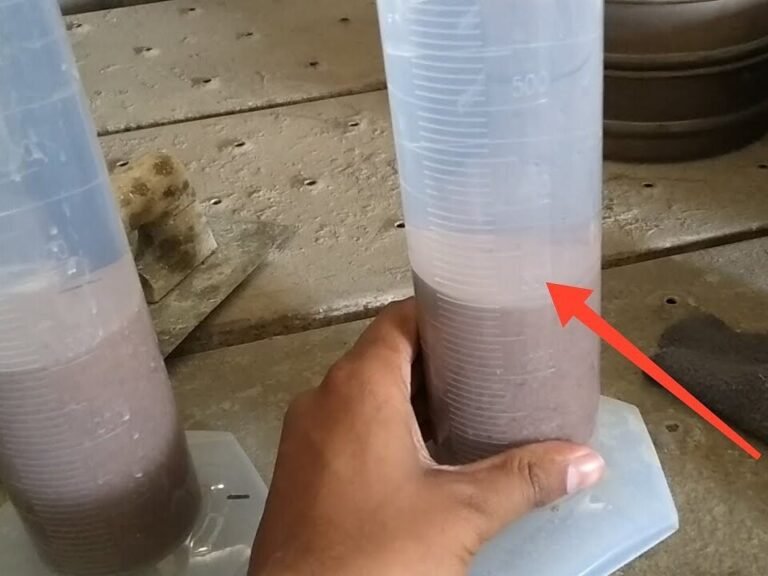
Screening sand for excess fines that weaken bond strength and durability.
Learn more →
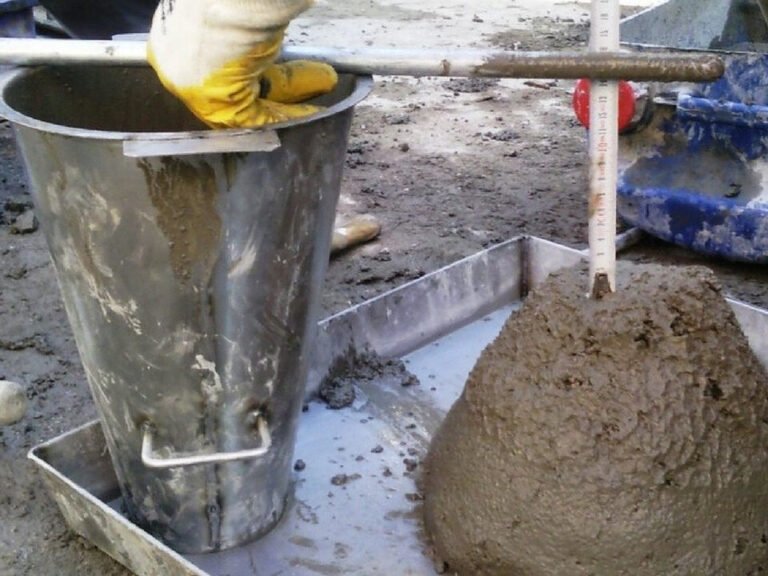
Checking workability on every load, from plant discharge to site pour.
Learn more →
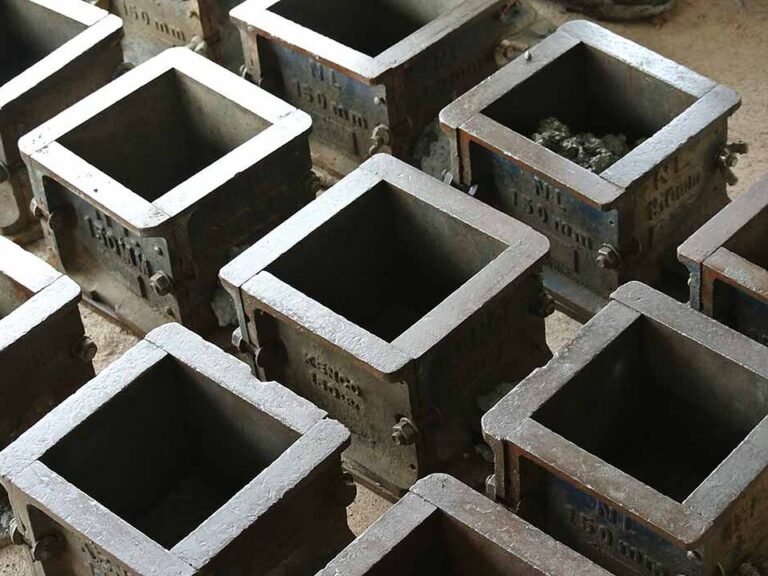
The specimen-preparation step every strength result depends on.
Learn more →
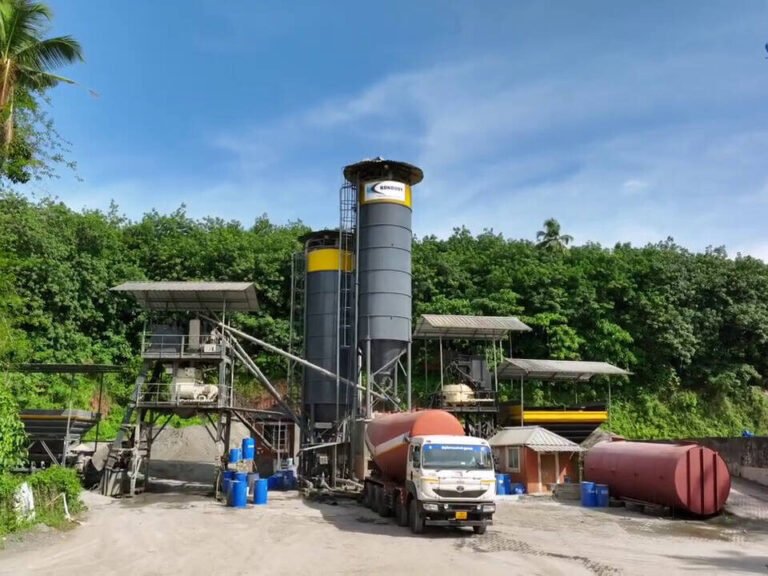
Back to our full quality assurance and quality control process.
Learn more →
Ask us for the current grading report on our aggregate stock, or request testing on a specific consignment for your project.
Request
Fill in the details below and our quality control team will get back to you, usually within one working day.
Prefer to talk? Call +91 92077 44901 or message us on WhatsApp.