
Checking workability on every load — from plant discharge to site pour.
Overview
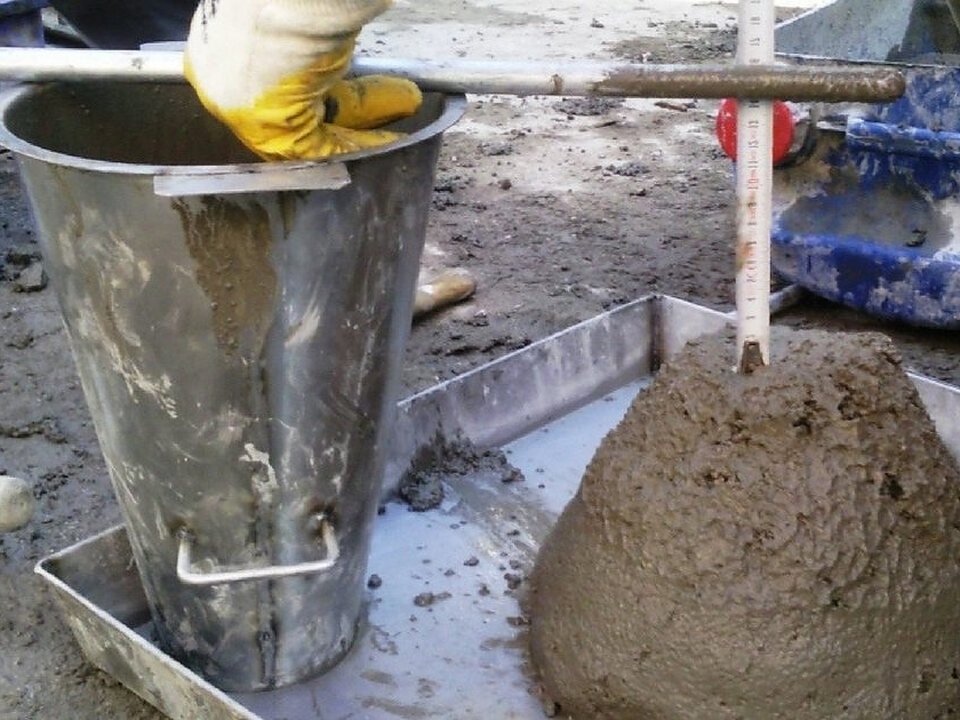
The slump test measures how workable fresh concrete is — how easily it flows, pumps and compacts without segregating. A standard Abrams cone is filled with fresh concrete in four compacted layers, levelled, and lifted straight up; the amount the concrete settles under its own weight, measured in millimetres, is the slump.
Too low a slump and the mix is hard to place and compact properly, trapping voids; too high and the mix risks segregation and excess bleeding, weakening the finished concrete. Every grade and application has a target slump range — Kondody checks slump at the plant before dispatch, and again on arrival at site, so what left our yard is what you receive.
Why it matters
Workability affects almost everything downstream of the pour: whether the mix can be pumped without blockages, whether it compacts fully around reinforcement and into corners of formwork, and whether the finished surface comes out smooth or honeycombed.
Checking slump at both ends of the delivery — plant and site — also protects you from a common site dispute: whether water was added en route. A documented slump reading at discharge removes the guesswork.
IS 1199
Sampling and analysis of concrete: slump test procedure
IS 7320
Concrete slump test apparatus
This test is carried out under Kondody Concrete's BIS-recognised quality system for Ready-Mixed Concrete (IS 4926:2003), supported by IS/ISO 9001:2015 Quality Management System certification.
Our process
1
A representative sample of fresh concrete is taken, consistent with IS 1199.
2
The Abrams slump cone is filled in four layers, each tamped 25 times with a standard rod, per IS 1199, using apparatus to IS 7320.
3
The top is struck off level, and the cone is lifted vertically and smoothly, leaving the concrete to subside under its own weight.
4
The vertical drop from the top of the cone to the top of the subsided concrete is measured — this is the slump, recorded in mm.
5
The slump pattern (true, shear or collapse) is noted, and the figure is checked against the target range for the grade and application (e.g. around 100–150 mm for pumped concrete).
What slump do I need for pumped concrete?
Pumped concrete typically needs a higher slump, often in the 100–150 mm range, to flow through the line without blockages — tell us your pump setup and we'll recommend accordingly.
Why might my site reading differ slightly from the plant reading?
Slump can reduce slightly over transit time and temperature; we check at both ends specifically so any meaningful difference is caught and discussed, rather than assumed.
QA & QC
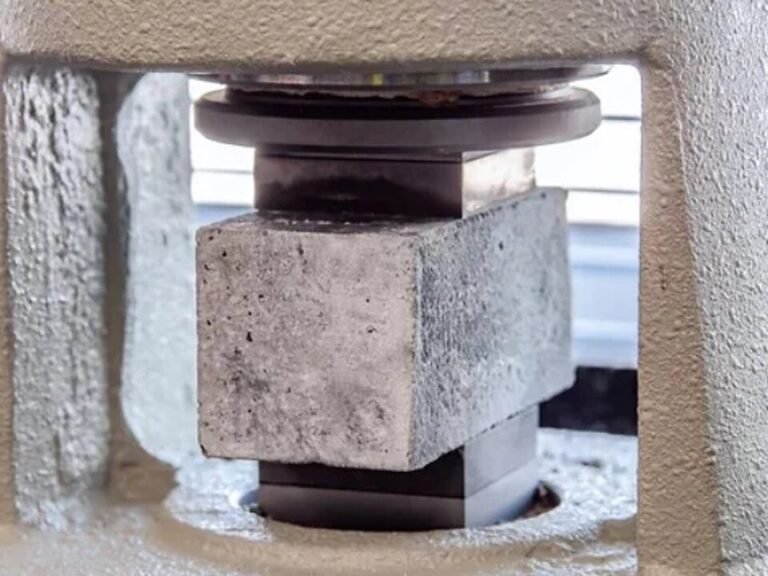
The core structural check: every batch cube-crushed to confirm it meets its design grade.
Learn more →
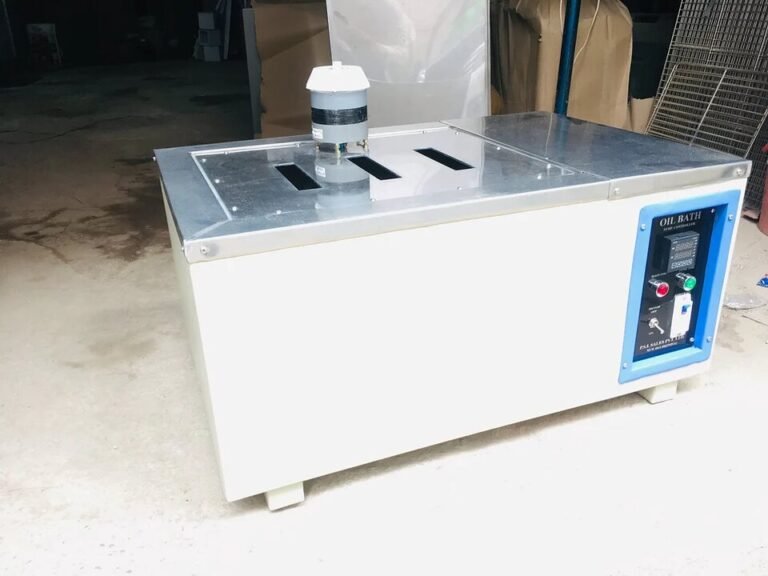
Early-warning strength results within 24 to 48 hours, ideal for fast-track pours.
Learn more →
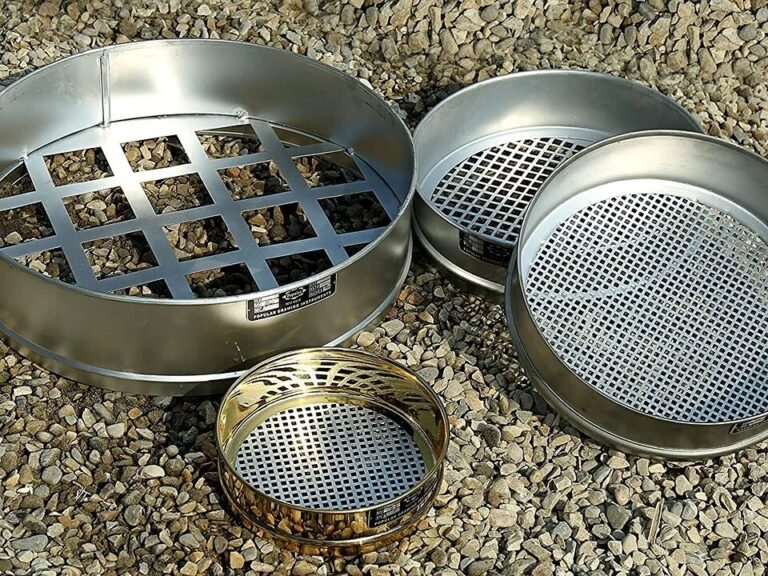
Checking aggregate grading so every mix is workable, strong and durable.
Learn more →
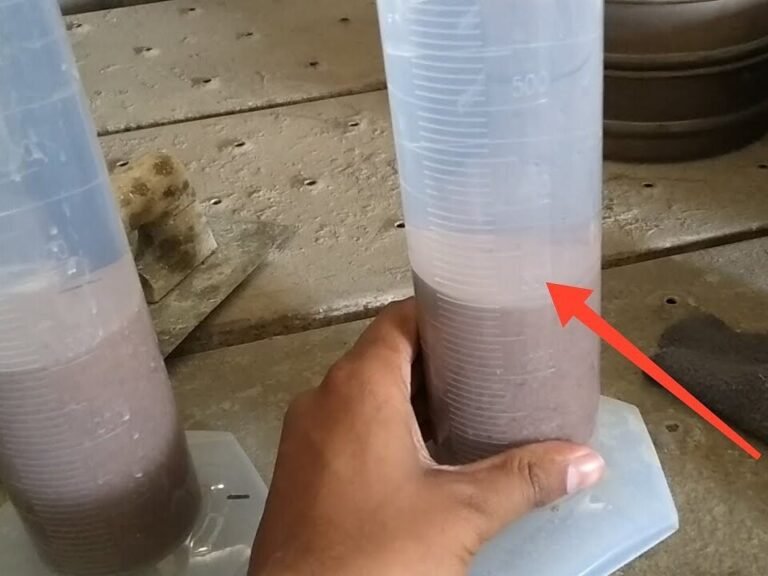
Screening sand for excess fines that weaken bond strength and durability.
Learn more →
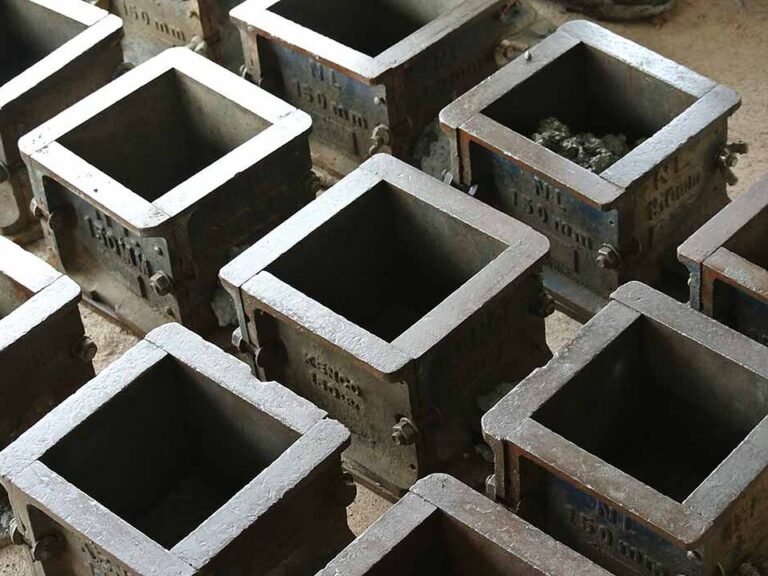
The specimen-preparation step every strength result depends on.
Learn more →
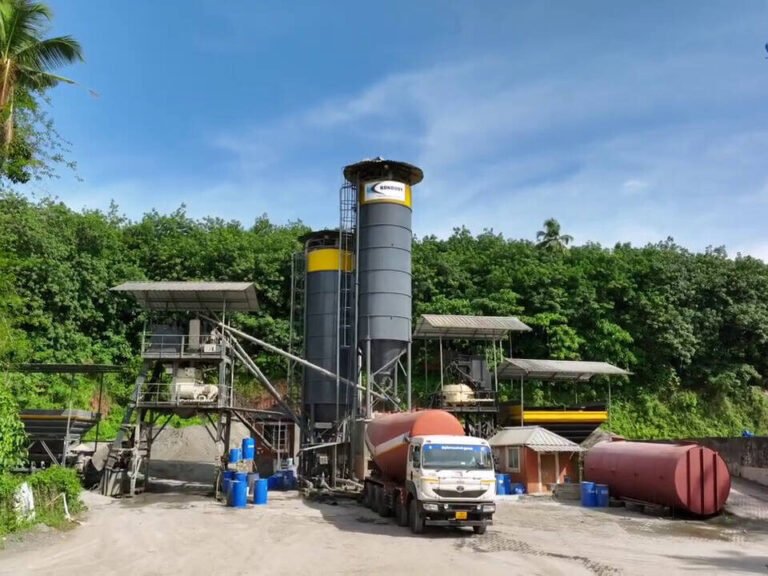
Back to our full quality assurance and quality control process.
Learn more →
Tell us your placement method and site conditions, and we'll confirm the right slump range for your order.
Request
Fill in the details below and our quality control team will get back to you, usually within one working day.
Prefer to talk? Call +91 92077 44901 or message us on WhatsApp.