
The single most important number in concrete quality control — verified on every batch, every grade, every project.
Overview
Compressive strength is the property structural engineers design against. It is the number on the mix design sheet that tells a consulting engineer a column, slab or foundation will carry its intended load.
At Kondody Concrete, cube specimens are cast from fresh concrete sampled directly at the point of discharge, cured under controlled conditions, and crushed to failure in a calibrated Compression Testing Machine (CTM). The machine applies a steadily increasing hydraulic load until the cube fails, and records the maximum load sustained. That load, divided by the cube's cross-sectional area, gives the compressive strength in N/mm² (MPa) — the figure compared against the design grade you ordered (M20, M25, M30 and beyond).
Watch our compression testing machine in action →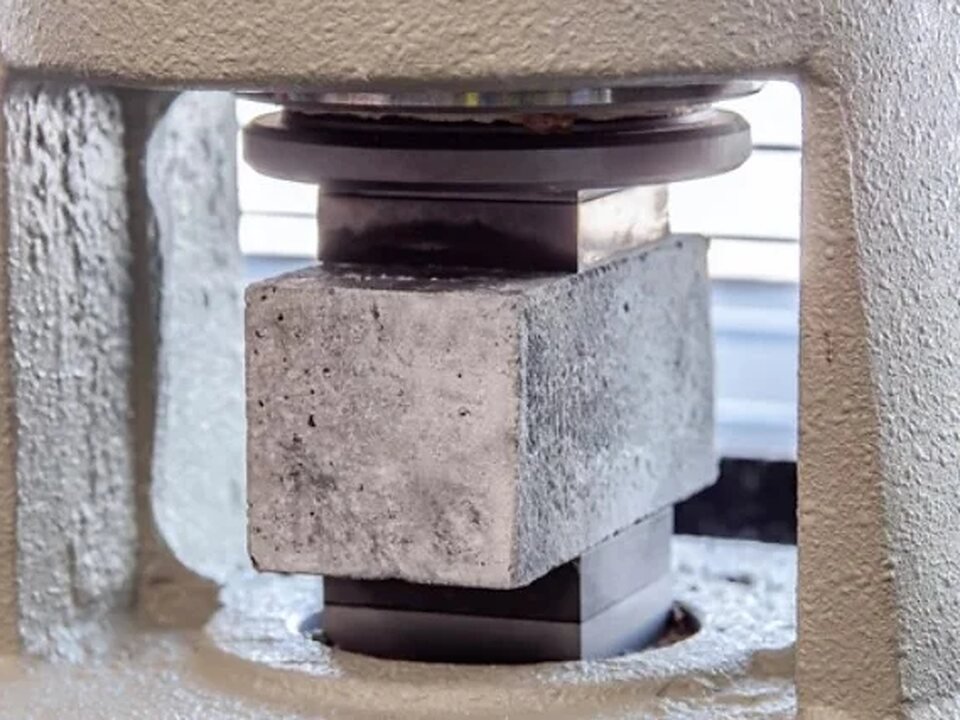
Why it matters
Under-strength concrete is invisible at the time of pour — the defect only shows up later, as cracking, deflection or, in the worst case, structural failure. Strength testing is the mechanism that catches a problem while it can still be corrected, not after the slab is cast and the shuttering is struck.
Testing at 7, 14 and 28 days gives an early trend line rather than a single late verdict: a weak 7-day result flags a batching or material issue in time to adjust the next load, long before the 28-day figure is even due. This is also the test record contractors and consulting engineers rely on for structural sign-off, RA bill certification, and liability protection on site.
IS 516
Methods of test for strength of concrete
IS 1199
Sampling and analysis of concrete
IS 456
Plain and reinforced concrete: acceptance criteria
IS 4926
Ready-mixed concrete: process-control framework
This test is carried out under Kondody Concrete's BIS-recognised quality system for Ready-Mixed Concrete (IS 4926:2003), supported by IS/ISO 9001:2015 Quality Management System certification.
Our process
1
Fresh concrete is sampled at the point of placement, following IS 1199, so the test specimen reflects what is actually going into your structure — not what left the plant.
2
150 mm × 150 mm × 150 mm steel cube moulds are filled and compacted in line with IS 516 (see our dedicated Cube Casting page for the full procedure).
3
Cubes are water-cured at 27 ± 2°C until their test age. Where early indicative results are needed, cubes can instead go through our Accelerated Curing Tank (ACT).
4
Each cube is centred in the CTM and loaded at a controlled, steadily increasing rate until it fails. The machine records peak load; our lab converts this to compressive strength in N/mm².
5
Results are checked against the target mean strength for the ordered grade (per IS 456's acceptance criteria) and issued to you as a signed test report, retained in our records for every batch we supply.
What's the difference between the 7-day and 28-day results?
The 7-day result is an early indicator — typically around two-thirds of the final strength — used to flag issues early. The 28-day result is the standard age at which concrete grade is formally verified against the design mix.
Can I get a copy of the test certificate for my project file?
Yes — every batch we supply has a corresponding cube test record, and we're happy to issue certified copies to your site engineer or consultant on request.
What happens if a cube result comes in under grade?
We investigate immediately against batching records, re-test retained duplicate cubes where available, and inform your site team so any structural implications can be assessed by your engineer without delay.
QA & QC
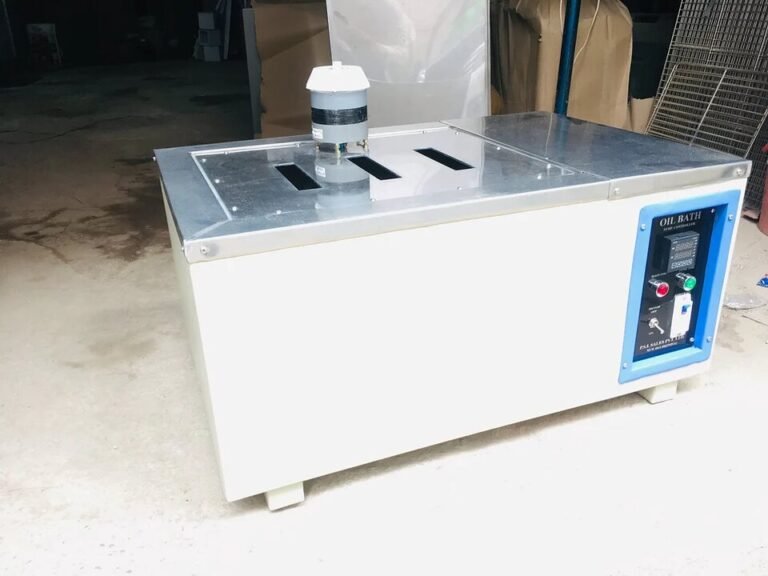
Early-warning strength results within 24 to 48 hours, ideal for fast-track pours.
Learn more →
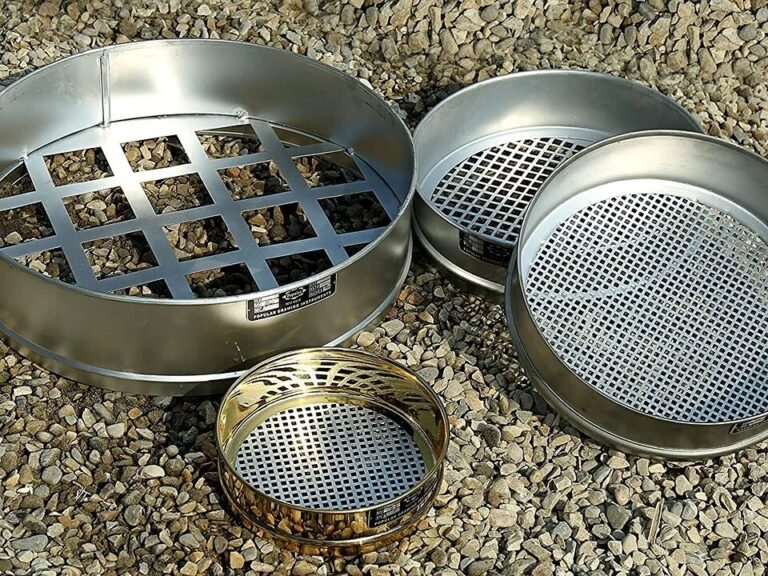
Checking aggregate grading so every mix is workable, strong and durable.
Learn more →
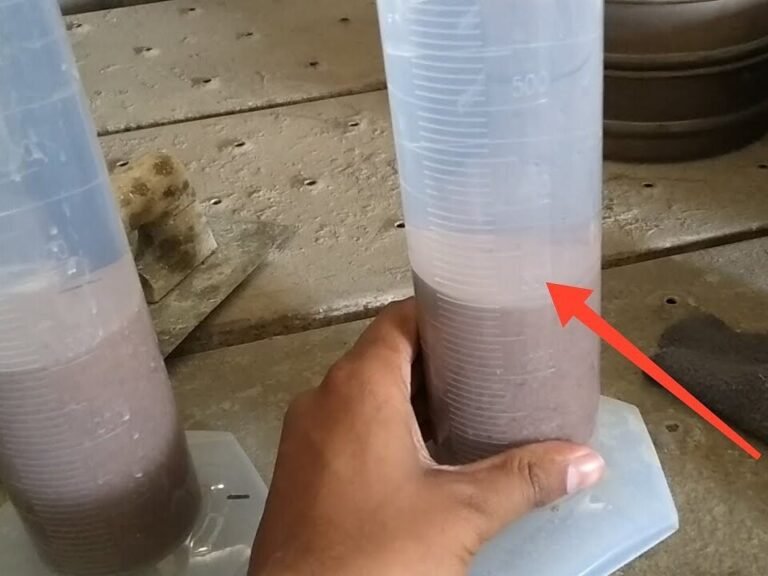
Screening sand for excess fines that weaken bond strength and durability.
Learn more →
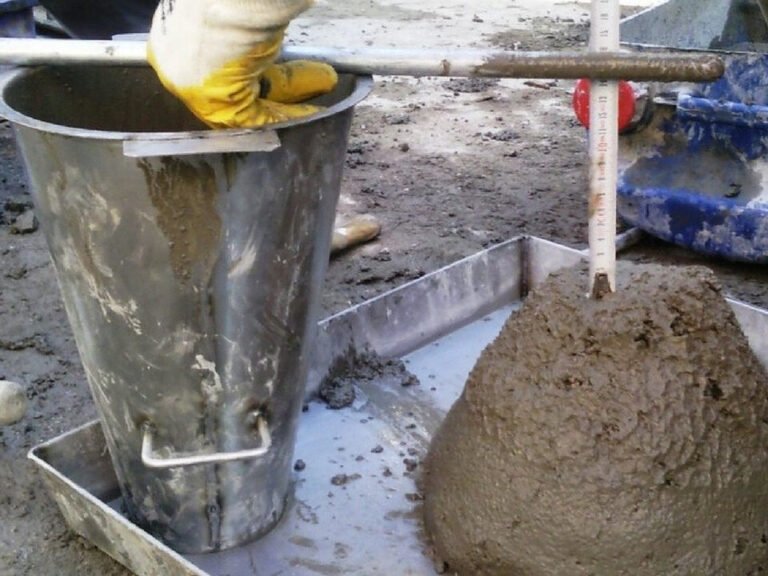
Checking workability on every load, from plant discharge to site pour.
Learn more →
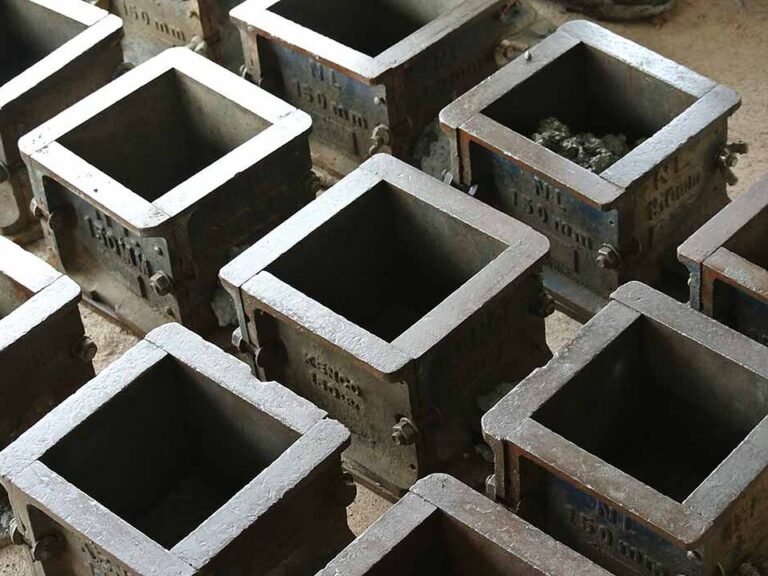
The specimen-preparation step every strength result depends on.
Learn more →
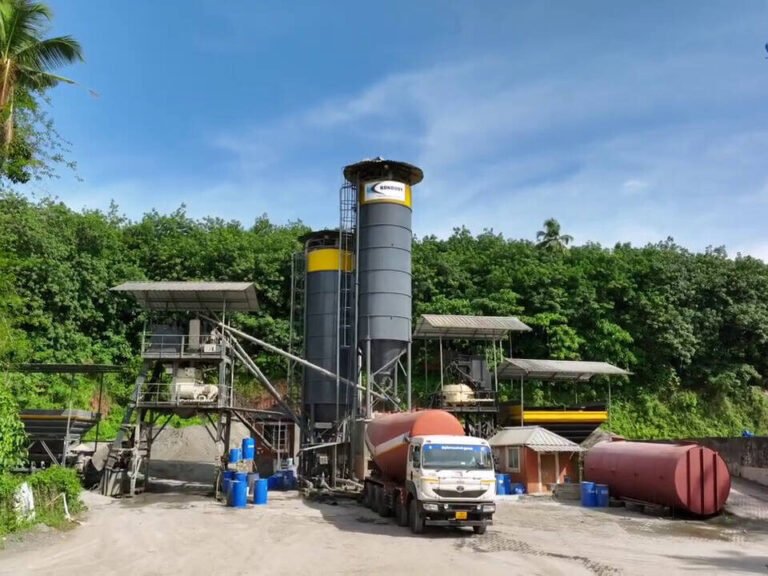
Back to our full quality assurance and quality control process.
Learn more →
Request copies of our batch test certificates, or book a visit to see cube testing carried out in our lab.
Request
Fill in the details below and our quality control team will get back to you, usually within one working day.
Prefer to talk? Call +91 92077 44901 or message us on WhatsApp.