
Screening sand for excess fines that weaken bond strength and durability — rejected before it ever reaches the mixer.
Overview
Natural sand can carry silt and clay-sized fines picked up from its source. In small amounts this is harmless; in excess, it coats aggregate particles, weakens the bond between aggregate and cement paste, increases water demand, and makes concrete more prone to shrinkage and surface defects.
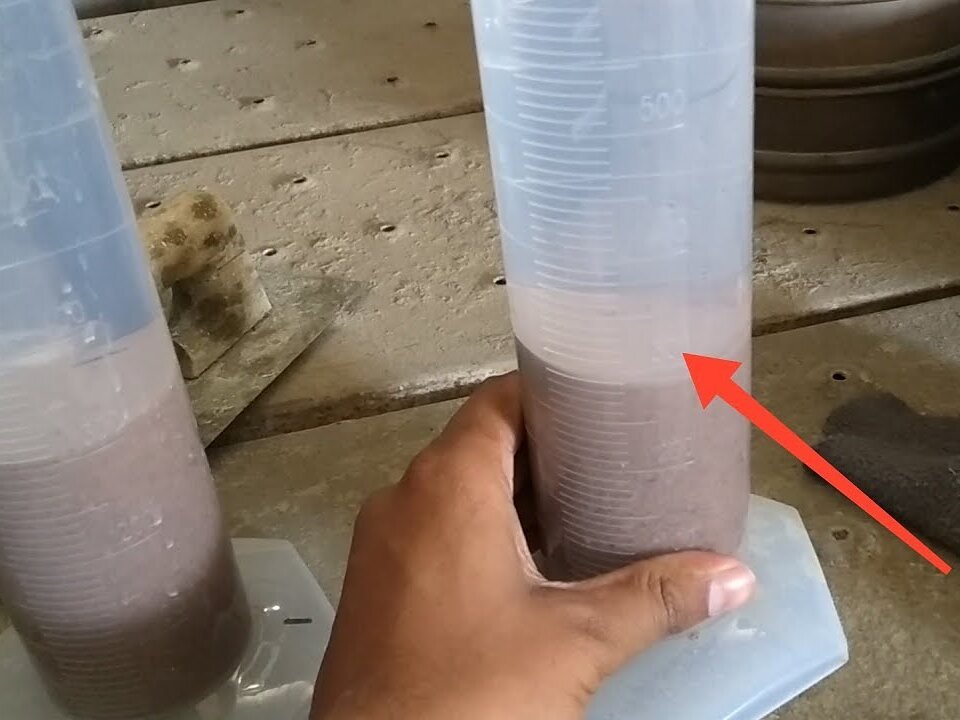
The silt content test is a simple, fast field check: a measured sand sample is mixed with water in a graduated jar, allowed to settle, and the thickness of the settled silt layer is compared to the sand layer beneath it to estimate silt content as a percentage.
Why it matters
IS 383 limits the material finer than 75 microns (silt, clay and fine dust) in natural sand used for concrete to 3% by mass. Sand above this limit produces measurably weaker, more porous, shrinkage-prone concrete — a defect that's invisible in the fresh mix but shows up later as cracking or reduced durability.
Kondody runs this check on every sand consignment at the plant, so high-silt loads are identified and screened out before they're ever batched into your concrete — not discovered after the fact in a finished structure.
IS 383
Coarse and fine aggregate for concrete: permissible silt and clay limits
IS 2386 (Part 2)
Deleterious materials and organic impurities (lab verification)
This test is carried out under Kondody Concrete's BIS-recognised quality system for Ready-Mixed Concrete (IS 4926:2003), supported by IS/ISO 9001:2015 Quality Management System certification.
Our process
1
A representative sand sample is taken from the stockpile or incoming delivery.
2
The sample is placed in a graduated jar with water (and a pinch of salt, by common practice), shaken thoroughly, and left to settle for around 3 hours.
3
Once settled, a clear silt layer forms above the sand. The thickness of each layer is measured and silt content is calculated as a percentage of the sand layer.
4
Borderline or high-risk loads are cross-checked in the lab against IS 2386 (Part 2) for a more precise determination of deleterious material content.
5
Results are compared against IS 383 permissible limits; consignments above limit are rejected or earmarked for washing/treatment before any approval for use.
How much silt is too much?
IS 383 limits silt, clay and fine dust (material finer than 75 microns) in natural sand to 3% by mass. Above that, bond strength and durability start to suffer measurably. The jar test gives a quick volume-based reading, and borderline results are confirmed in the lab.
Is this the same as the lab sieve-based deleterious material test?
The jar/bottle test is a fast field screen; for borderline results we verify in the lab against IS 2386 (Part 2) for a more precise figure.
QA & QC
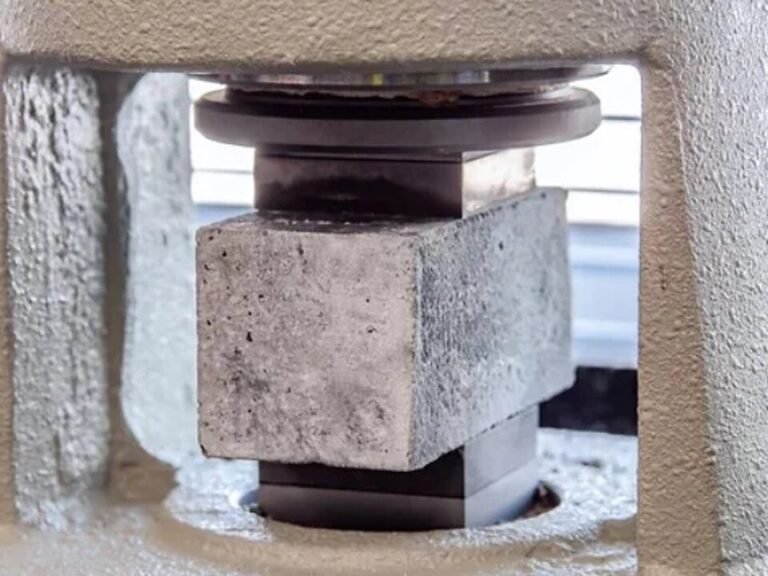
The core structural check: every batch cube-crushed to confirm it meets its design grade.
Learn more →
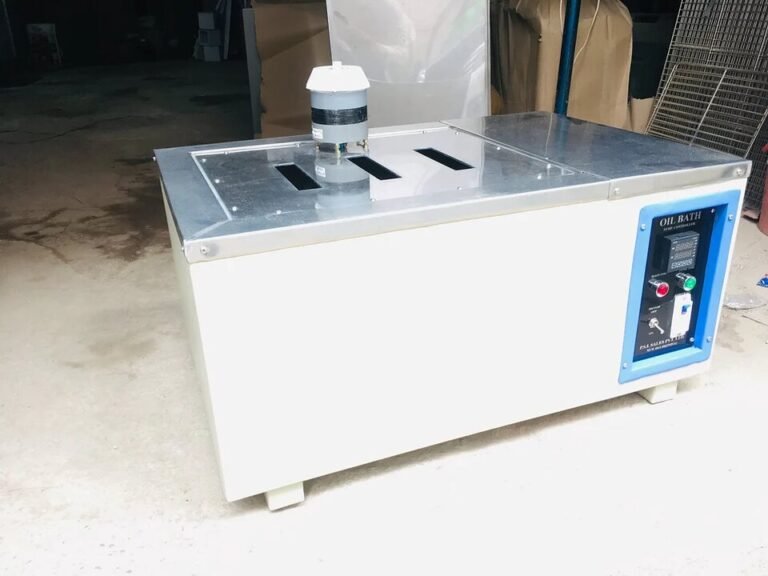
Early-warning strength results within 24 to 48 hours, ideal for fast-track pours.
Learn more →
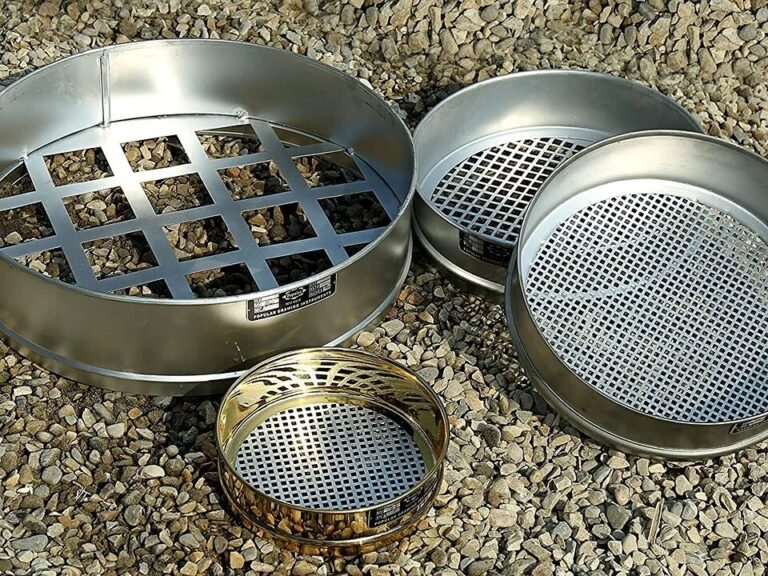
Checking aggregate grading so every mix is workable, strong and durable.
Learn more →
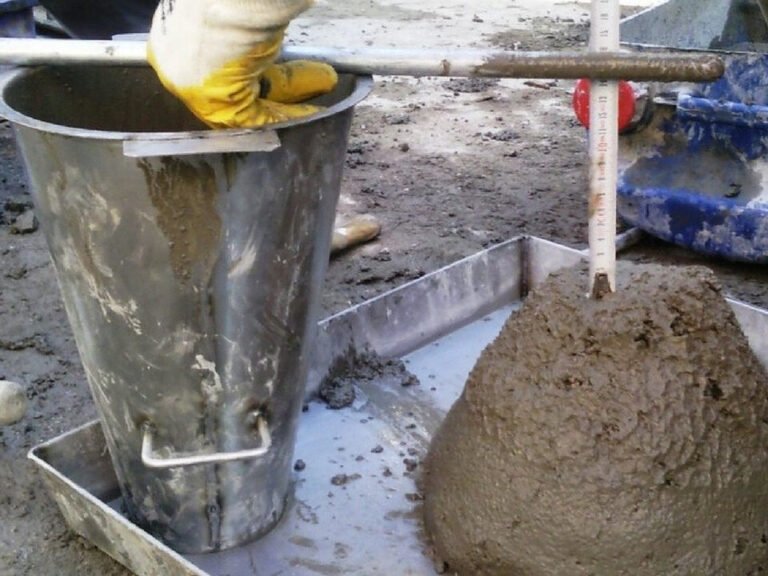
Checking workability on every load, from plant discharge to site pour.
Learn more →
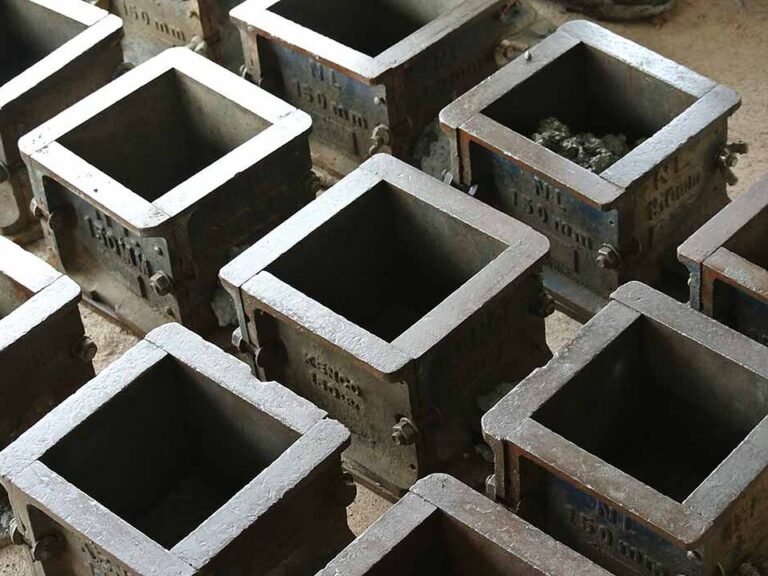
The specimen-preparation step every strength result depends on.
Learn more →
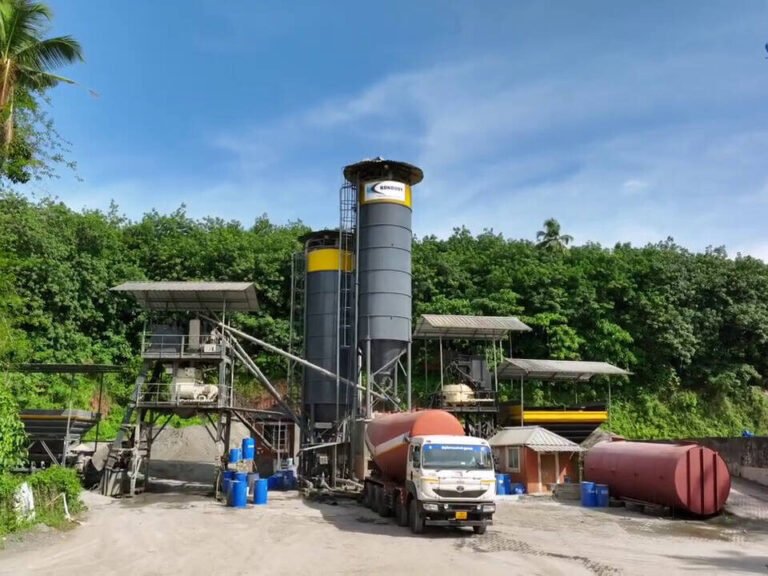
Back to our full quality assurance and quality control process.
Learn more →
Ask for our current silt content report on the sand stock supplying your project, or request a field demonstration at the plant.
Request
Fill in the details below and our quality control team will get back to you, usually within one working day.
Prefer to talk? Call +91 92077 44901 or message us on WhatsApp.